Front-of-Pack Labeling: What NOM-051 Means for U.S. CPG Brands
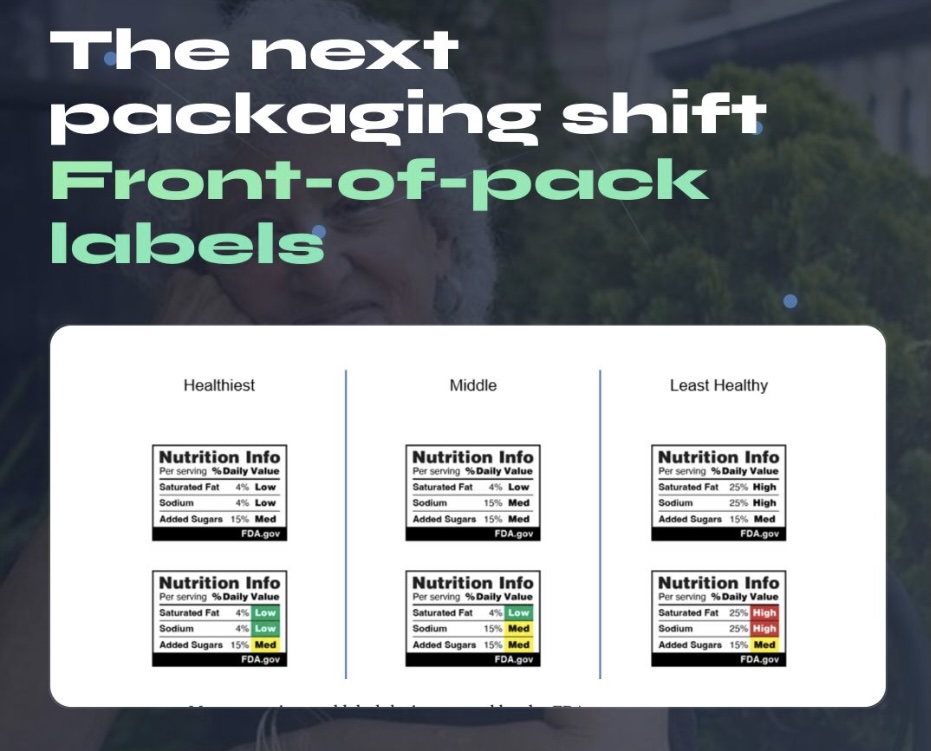
Front-of-pack labeling may soon reshape how CPG brands design packaging in the United States.
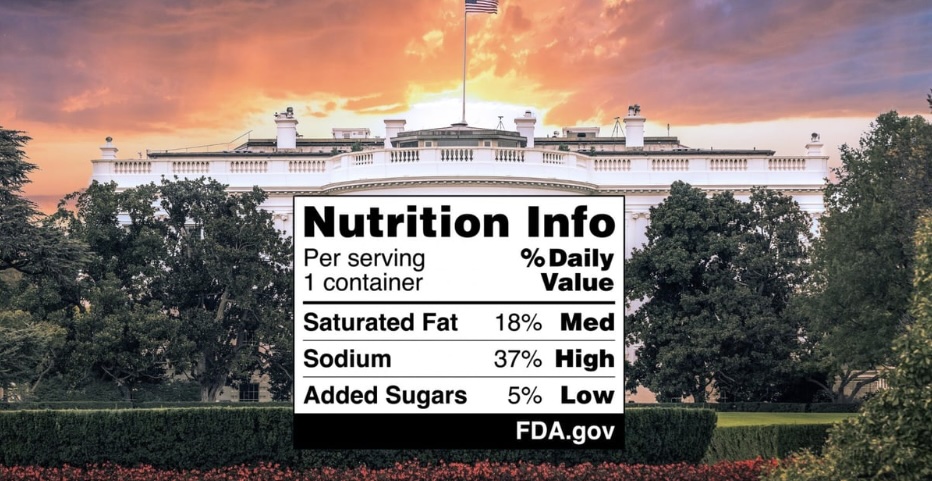
The FDA is moving toward front-of-pack nutrition labeling that would highlight levels of added sugars, sodium, and saturated fat directly on packaged foods. If implemented, the rule could arrive around 2026, giving brands several years to adapt.
Mexico’s NOM-051 regulation — one of the most comprehensive front-of-pack labeling systems in the world — took effect in October 2020. While this may feel new in the U.S., several countries in Latin America have already gone through this shift, and the experience provides an early preview of how regulation can change packaging strategy.
At a Glance
Our analysis of packaging changes after Mexico’s NOM-051 regulation suggests three key patterns:
- Consumers adapt quickly to warning labels.
- Packaging performance is more affected by the loss of distinctive brand assets.
- Successful redesigns preserve recognition and emotional cues.
What Is Mexico’s NOM-051 Regulation?
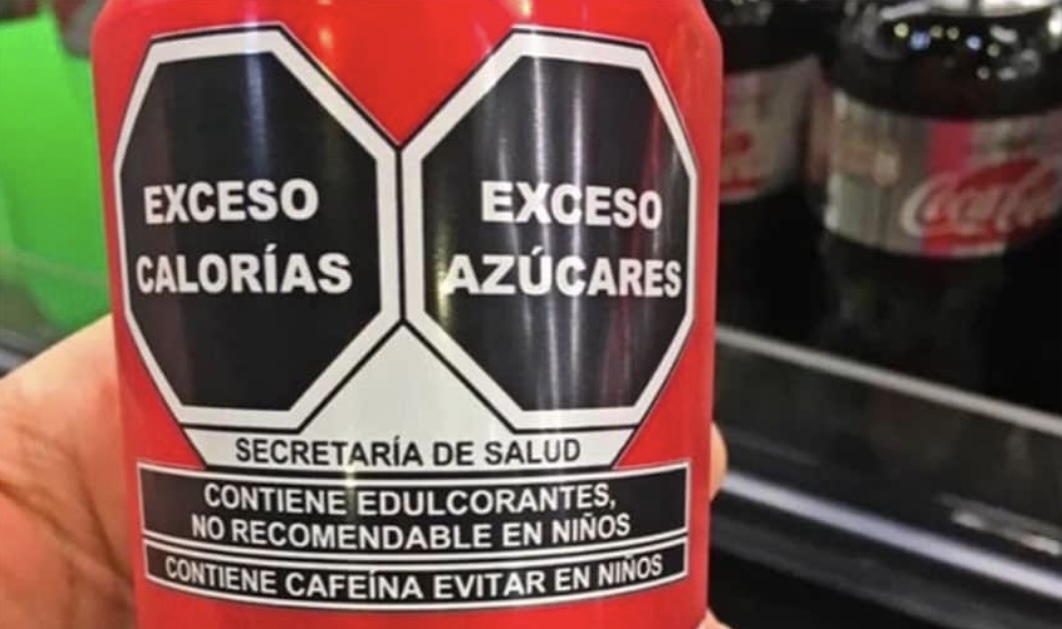
This regulation introduced highly visible warning labels on packaged foods containing excess sugar, sodium, calories, or saturated fat.
These black octagonal seals appear on the front of the pack with messages such as:
- Excess Sugars
- Excess Sodium
- Excess Calories
The goal was to make nutritional information easier to interpret and enable faster decisions at the shelf.
For brands across categories like cereals, snacks, beverages, and dairy, the regulation triggered widespread packaging redesigns.
But the key question was not simply compliance.
It was how these changes affected consumer perception and purchase intent.
What Happened to Packaging Performance?
At Synapbox, we analyzed how packaging changes influenced consumer perception and purchase intent after the regulation was implemented.
One of the most surprising findings was that warning labels themselves were not the primary driver of perception changes.
Consumers adapted quickly to the presence of the labels. Brand recognition and overall perception remained relatively stable even with warning seals on the pack.
However, another change had a much stronger impact in one specific category: products targeted to children.
The Hidden Cost: Removing Characters and Mascots
For some brands, packaging performance declined significantly after characters and mascots were removed from their products.
- Purchase intention dropped.
- Packaging attractiveness decreased.
- Emotional engagement with the brand weakened.
This revealed an important insight:
The biggest challenge of front-of-pack regulation is not necessarily the label itself.
It is redesigning packaging without losing the emotional cues that make the brand recognizable in seconds.
What This Means for U.S. Brands
Front-of-pack regulation changes the role of packaging.
Mandatory nutritional information reduces available space on the front of the pack, making visual hierarchy and brand assets more critical.
Brands that adapt successfully tend to prioritize:
- Clear visual hierarchy
- Simpler layouts
- Strong product imagery
- Preservation of distinctive brand assets
Packaging design becomes a strategic balance between regulation, branding, and shelf impact.
Key Takeaways
- Consumers adapt quickly to warning labels.
- Packaging performance is more affected by changes to brand assets.
- Emotional cues remain critical for shelf recognition.
- Packaging redesign should prioritize visual hierarchy.
Synapbox Insight
Markets that have already implemented front-of-pack labeling show that packaging performance depends on how well brands balance regulatory requirements with distinctive brand assets.
As front-of-pack regulation expands globally, the experience in markets like Mexico provides valuable insights for brands preparing for similar changes.
Brands navigating packaging redesigns driven by regulatory changes have an opportunity to make more informed decisions before going to market.
Pre-testing new packaging against direct competitors can help validate performance and reduce uncertainty.
If this is relevant to your team, send us here an request. We are currently offering a 20% discount on studies involving packaging redesigns driven by regulatory requirements.